History of Floristry
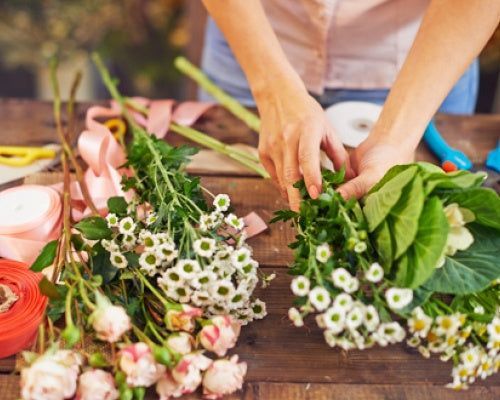
1. An Introduction to Floristry
Floristry has become a huge industry not just in the UK, but around the world. Floristry is no longer just a hobby, but an occupation too. Consider how many flower bouquets are purchased on special occasions throughout the year; birthdays, anniversaries, Valentine’s Day, Mother’s Day and more.
In fact, the floristry industry is believed to be worth a staggering £1.5bn and if you want a slice of the action, this resource has been created to provide an overview of the industry as a whole. With over 7,000 floristry businesses countrywide and bouquets available online, you can now offer national delivery and open your business to customers all over the UK and indeed the world.
What is floristry?
The profession of floristry concerns a number of aspects when it comes to flowers and floral displays. Floristry starts with the appropriate care and handling of flowers, through to the art of creating impressive and breath-taking floral displays for customers and events.
Floristry’s main driving force is the floral industry, which includes the cultivation and selling of flowers, either separately or as part of a larger and more expensive bouquet. There are two types of florist to consider, the wholesaler and retailer. Wholesalers sell in bulk to retailers, who in turn care for the flowers and produce arrangements to sell to consumers.
The floristry professional requires a large amount of skill and expertise to be successful. Florists need an eye for design as well as the ability to care for and preserve flowers from all over the globe, while handling the sales and marketing side of the business. Colour and symbolism also play a huge role. Experienced professionals understand what certain colours mean, ideal design styles, and which displays suit specific holidays or gift-giving occasions.
An Insight into the Floristry Profession
Florists create a whole range of floral displays for any occasion. Their skills allow them to form arrangements for wreaths, bouquets, vases and large centrepieces. Florists can also fill rooms and outdoor areas for competitions and flower shows, as well as large weddings and events.
Some florists use specialist designs and formations, while others develop their own patterns. Offering bespoke displays can be a strong selling point and increase earnings.
Florists must responsibly care for all flowers. Proficiency in plant care comes from years of experience, especially when handling large volumes and a range of species. Florists choose flowers that offer long-lasting appeal while maintaining beauty.
Floristry is a demanding profession. Florists often work long shifts and are required to be available at weekends, Bank Holidays, and peak dates such as Valentine’s Day and Mother’s Day. Sourcing quality products may involve visiting flower markets early in the morning.
Daily tasks include creating custom bouquets, fulfilling pre-orders, meeting deadlines, arranging deliveries, transporting flowers, managing stock, and maintaining the appearance of the shop.
Styles of Floristry
Floristry styles differ worldwide, but three main styles stand out: Ikebana, English Garden, and modern/contemporary.
Ikebana
Originating from Japan, Ikebana is known for its simplicity. It focuses on developing closeness with nature and is often viewed as an art form comparable to paintings and sculptures. It is admired worldwide.
English Garden
Traditionally English in style, these arrangements feature seasonal flowers and foliage. Taller vase displays are common. Typical flowers include roses, gardenia, camellia, delphinium and peonies.
Modern/Contemporary
Modern arrangements use linear designs and often lack symmetry. They typically feature experimental colours and textures. Common flowers include orchids, Bird of Paradise and protea.
2. The History of Floristry
There are approximately 270,000 species of flower worldwide, excluding extinct varieties. Fossilised plants resembling magnolias date back around 93 million years, and herb-like fossils are believed to be at least 120 million years old.
Flowers have played a role in human history across many ancient civilisations.
Floristry in Ancient Egypt, Rome & Greece
Ancient Egypt (2800 BC to 28 BC)
Flowers were used for events, temple offerings and decoration. Popular varieties included narcissus, jasmine, poppies, roses and water lilies. Designs were simple, often using repetition, foliage and fruit.
Ancient Greece (600–150 BC)
Floristry was mainly decorative, used for homes, wreaths and clothing. Herbs were often included. Greeks preferred triangular designs with symmetry and limited colour palettes, especially white. Common flowers included roses, hyacinths, lilies and violets.
Ancient Rome (28 BC–325 AD)
Romans embraced extravagant styles, arranging flowers in baskets and using them in wreaths and crowns. Flowers were also valued for fragrance.
French & American Floristry
French Floral History (Baroque, Rococo, Louis XVI and Empire)
Baroque architecture (1610–1774) influenced symmetrical floral displays without a focal point. During the Rococo period, arc and crescent shapes became popular. Under Louis XVI, delicate and cool colours were fashionable. In the Empire period, designs became triangular and simple, influenced by military symbolism.
American Floral History (1600s–1800s)
In colonial America, flowers were primarily grown for food and medicinal purposes. Decoration was simple and domestic. Over time, European styles influenced American floristry. The Victorian period introduced cool colours, whites, purples, magentas and blues.
Georgian Floral History (1700s–1819)
Arrangements were valued for fragrance, sometimes more than design. Later in the period, containers were shaped to hold stems at specific angles. Roses became especially popular.
Victorian Floral History (1820–1901)
Lavish displays became fashionable, often arranged in silver or porcelain vases. Designs were circular or triangular. Popular flowers included roses, dahlias, fuchsias, tulips and lilies. Formal flower-arranging rules began to emerge.
3. Modern Day Floristry
Floral cultivation and arrangement continued developing into the 20th century and expanded significantly in the 21st century. The industry is now worth billions.
Technological Advancements
Technology has transformed marketing, sales, and distribution within floristry.
A Shortened Supply Chain
The internet allows florists to reach customers worldwide and reduce reliance on middlemen. Orders can often be shipped the same day.
Reducing Cost to the Consumer
Technology increases competition and often drives prices down, benefiting customers.
Empowering Customers
Customers now have greater access to pricing information, which can reduce profit margins and increase pressure on businesses.
4. Career Path to Become a Florist
Main Responsibilities
- Helping customers choose flowers and plants
- Creating unique bouquet designs
- Preparing large displays for exhibitions and shows
- Advising customers on plant care
- Managing stock and arranging deliveries
- Selling complementary gifts and accessories
Working Hours
Typical shop hours are 9am–5pm, including weekends. Peak periods include Valentine’s Day, Mother’s Day, Christmas and other holidays. Florists may also handle online orders and visit wholesalers regularly.
Salary
Junior florists earn around minimum wage. With experience, earnings range from £16,000 to £25,000 per year. Self-employed florists may earn more depending on business size and location.
Entry Requirements
Many florists start in junior roles and learn on the job while studying qualifications such as:
- Level 1 Certificate in Introduction to Floristry
- Level 1 Certificate in Practical Floristry Skills
- Level 1/2 Award in Floral Design
- Level 2 Certificate/Diploma in Floristry
5. Starting Your Own Floristry Business
Choosing the Right Premises
A location near a busy shopping area increases visibility but may cost more. Some businesses start as market stalls or near commuter hubs before moving into leased premises.
Small shop spaces are often sufficient. Temperature control and stock replenishment are critical. Online businesses may require additional storage space.
Managing Staff
Many floristry businesses are family-run. Growing businesses may hire junior florists (minimum wage) and experienced staff (£19,000+). Managers in larger operations may earn around £25,000.
Start-Up Costs
Start-up costs can range from £15,000 to £100,000 depending on scale. Costs include premises, stock, transport, and possibly accounting services.
Tips for Starting Your Business
- Plan for seasonal highs and lows
- Maximise key calendar events
- Develop a niche or speciality
- Invest in a strong website
- Stock both perishable and long-lasting items
- Build strong relationships with couriers