The history of floristry
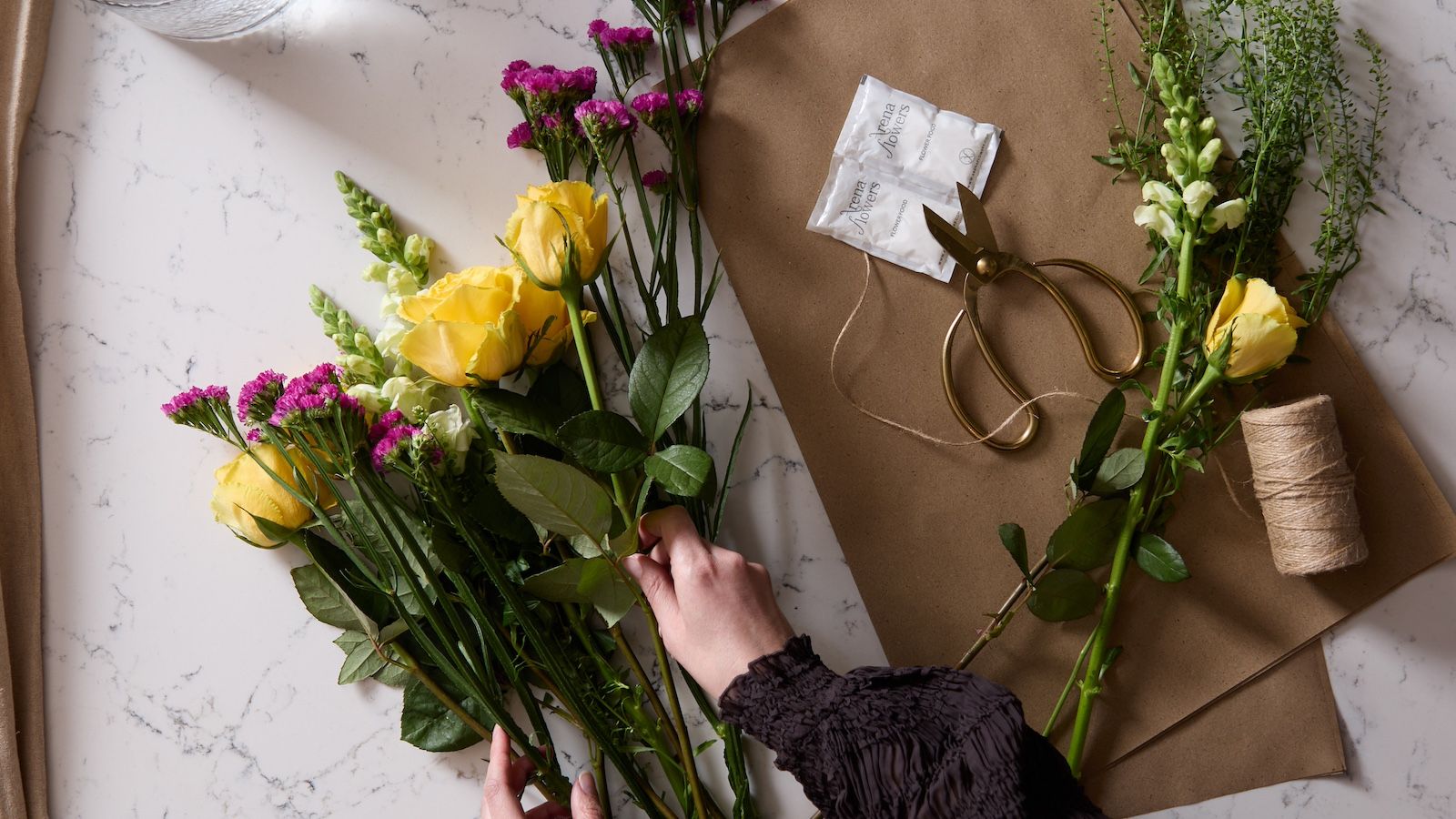
Whether given as a gift or enjoyed as part of the décor, flowers bring beauty and charm not just to events and celebrations but the simple everyday too. Floristry is the art of selecting and arranging these flowers into bouquets, table displays, wreaths and art installations. A global industry, it’s the source of joy for so many occasions, from birthdays to weddings, anniversaries, Valentine’s Day and Mother’s Day, to name a few.
What is floristry?
Floristry spans a number of different skills and tasks, beginning with the appropriate care and handling of flowers, through to the art of creating impressive and breathtaking floral displays for customers and events. Florists have a keen eye for design as well as the ability to care for and preserve flowers from all over the globe. Colour and symbolism are also considered, with the language of flowers – also known as floriography – playing an important role in the giving and receiving of flowers. Florists understand what certain colours symbolise, have a knowledge of design styles, and know which displays suit specific holidays or gift-giving occasions.
The history of floristry
Flowers and floristry have played a role in human history across many ancient civilisations. There are approximately 270,000 species of flower worldwide, excluding extinct varieties. Fossilised plants resembling magnolias date back around 93 million years, and herb-like fossils are believed to be at least 120 million years old.
Floristry in Ancient Egypt, Rome & Greece
Ancient Egypt (2800 BC to 28 BC)
Flowers were used for events, temple offerings and decoration. Popular varieties included narcissus, jasmine, poppies, roses and water lilies. Designs were simple, often using repetition, foliage and fruit.
Ancient Greece (600–150 BC)
Floristry during this period was mainly decorative, used for homes, wreaths and clothing. Herbs were often included. The Ancient Greeks preferred triangular designs with symmetry and limited colour palettes, especially white. Common flowers included roses, hyacinths, lilies and violets.
Ancient Rome (28 BC–325 AD)
The Romans embraced extravagant styles, arranging flowers in baskets and using them in wreaths and crowns. Flowers were also valued for fragrance.
Floristry in France, America and the UK
French Floral History (Baroque, Rococo, Louis XVI and Empire)
Baroque architecture (1610–1774) influenced symmetrical floral displays without a focal point. During the Rococo period, arc and crescent shapes became popular. Under Louis XVI, delicate and cool colours were fashionable. In the Empire period, designs became triangular and simple, influenced by military symbolism.
American Floral History (1600s–1800s)
In colonial America, flowers were primarily grown for food and medicinal purposes. Decoration was simple and domestic. Over time, European styles influenced American floristry. The Victorian period introduced cool colours, whites, purples, magentas and blues.
Georgian Floral History (1700s–1819)
Arrangements were valued for fragrance, sometimes more than design. Later in the period, containers were shaped to hold stems at specific angles. Roses became especially popular.
Victorian Floral History (1820–1901)
Lavish displays became fashionable, often arranged in silver or porcelain vases. Designs were circular or triangular. Popular flowers included roses, dahlias, fuchsias, tulips and lilies. Formal flower-arranging rules began to emerge.
Styles of floristry in the modern day
Floristry styles differ across the world, but three main styles stand out: Ikebana, English Garden, and modern/contemporary.
Ikebana
Originating in Japan, Ikebana – which translates to 'giving life to flowers – is a style of arranging known for its simplicity. It focuses on developing closeness with nature and is often viewed as an art form comparable to paintings and sculptures. It is admired worldwide.
English Garden
Traditionally English in style, these arrangements feature seasonal flowers and foliage. Taller vase displays are common. Typical flowers include roses, gardenia, camellia, delphinium and peonies.
Modern/Contemporary
Modern arrangements use linear designs and often lack symmetry. They typically feature experimental colours and textures. Common flowers include orchids, Bird of Paradise and protea.